What is Calligraphy
Calligraphy & Chinese Characters
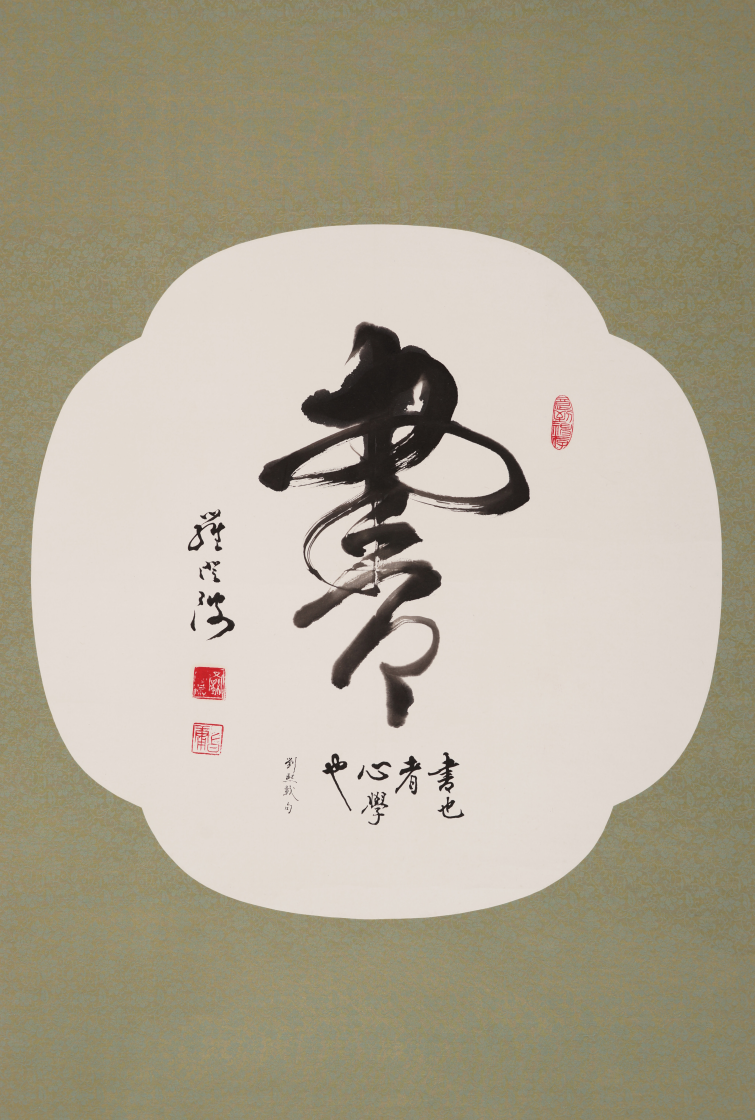
Chinese characters originated from oracle bone inscriptions in ancient Chinese culture. Through the evolution of various dynasties, they have become the world's only widely used logographic writing system. Every character carries thousands of years of rich Chinese cultural meaning. Calligraphy emerged from the writing system based on Chinese characters — those who mastered the recognition and carving of oracle bone inscriptions during the Shang and Zhou dynasties could be considered the earliest "calligraphers." From oracle bones and bamboo slips to paper, as writing tools advanced and became more accessible, more scholars valued calligraphy, which became a means of expressing personal cultivation and artistic refinement — with rules, with basis, and worthy of appreciation, it can be called "calligraphy art." This proves that calligraphy has truly become a unique art form in Chinese culture.
Over thousands of years, Chinese characters evolved from pictographic to abstract forms. Combined with different interpretations by calligraphers through the ages, they were classified into five major scripts: Seal, Clerical, Regular, Running, and Cursive.
Seal Script
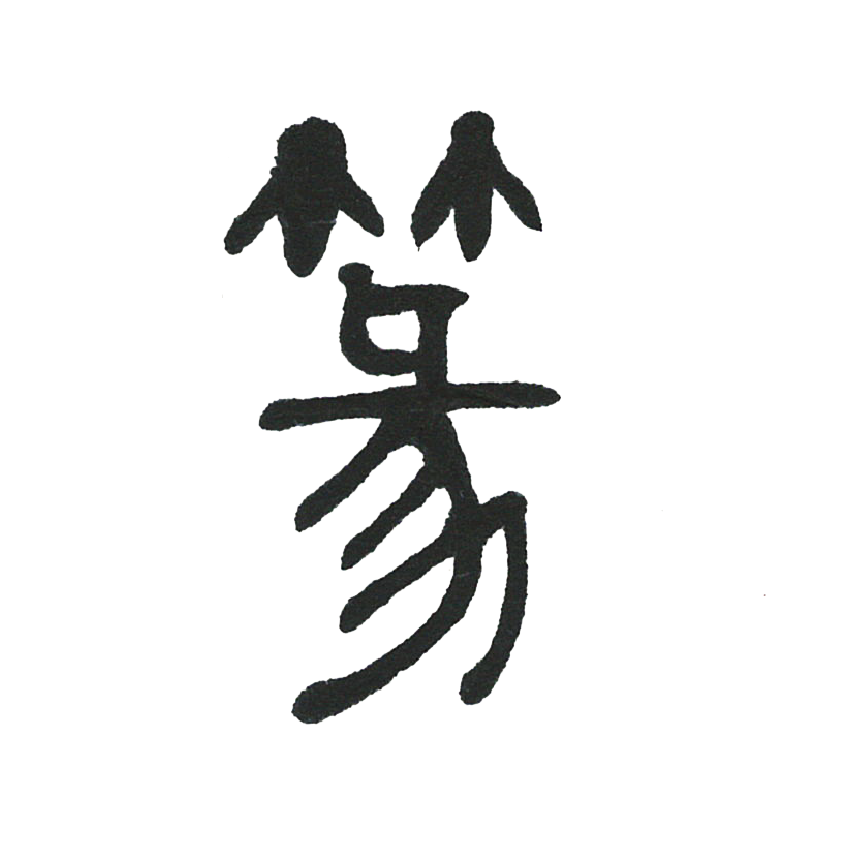
Seal script is the oldest and most systematically organized Chinese calligraphy script, gradually developing from pictographic characters to being carved or written on bamboo slips. During the pre-Qin period, the script was collectively called "Greater Seal" (oracle bone and bronze inscriptions), while "Lesser Seal" was the official script established after Qin unified China, traditionally attributed to Prime Minister Li Si.
Seal script uses only one brush technique — "center tip" — making it the root and end of calligraphy lines, thus called the "soul" of calligraphy. It emphasizes symmetry, balance, distribution, and uprightness. Although rarely used in modern times, careful observation reveals the wisdom of the ancients in how they created characters from real objects and scenes, laying the foundation for future generations' writing culture.
Clerical Script
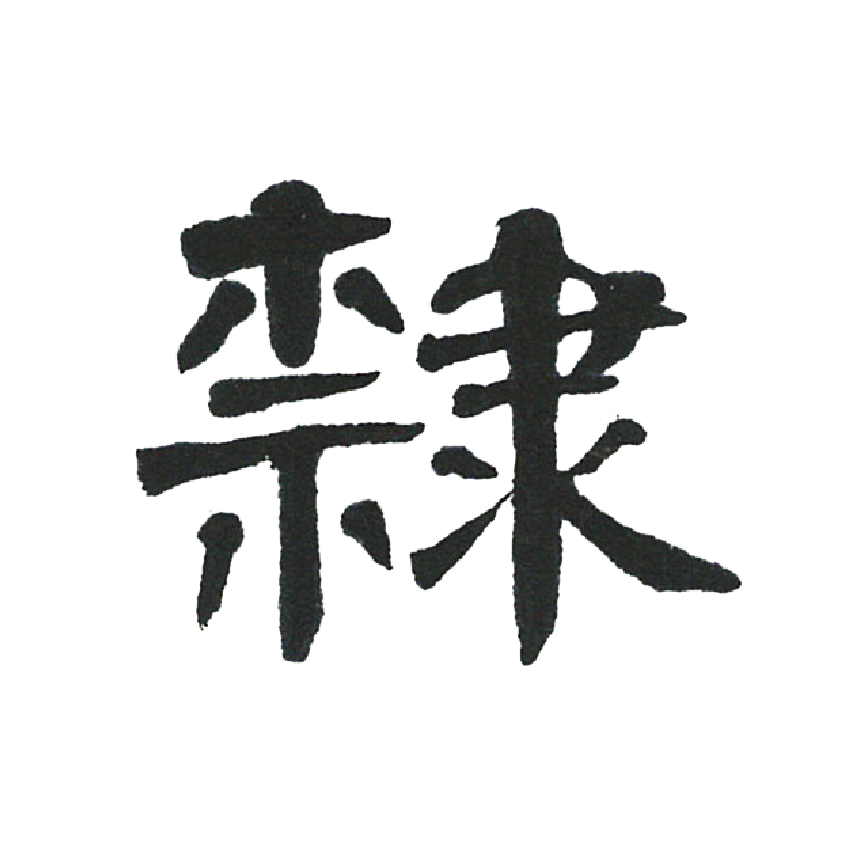
Clerical script evolved from seal script, with early forms appearing in the late Qin dynasty, greatly improving writing speed. It reached its peak during the Eastern Han dynasty, producing various styles, such as the archaic square-brush "Zhang Qian Stele" and the elegant round-brush "Cao Quan Stele."
Clerical script characters are mostly flat, resembling turtles, with the distinctive brush technique of "silkworm head and goose tail." Its elegant and refined form remains widely used today and is a script that modern people can read and use.
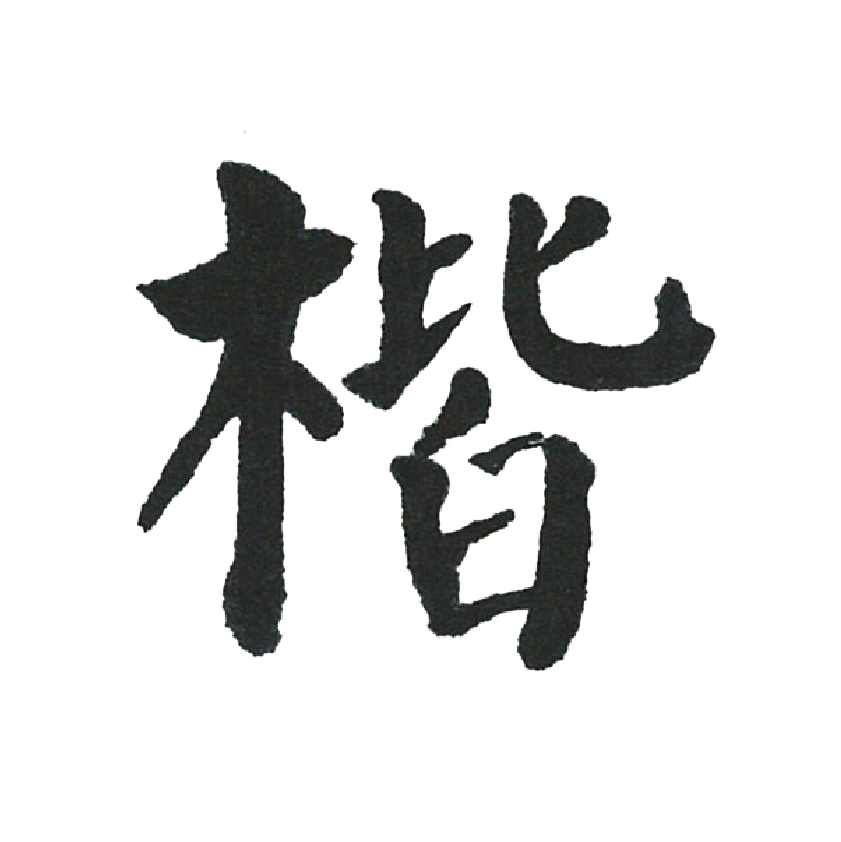
Regular Script
Regular script, also known as "true script" or "standard script," evolved from clerical script. It is traditionally attributed to Zhong You, a senior official of the Wei kingdom during the Three Kingdoms period, later known as the "Father of Regular Script." Early regular script retained many clerical script techniques.
By the prosperous Tang dynasty, the script matured, giving rise to the "Tang emphasis on rules," producing many renowned regular script calligraphers: Ouyang Xun, Yu Shinan, Chu Suiliang, Yan Zhenqing, and Liu Gongquan.
Regular script characters are square and highly practical, beloved by modern people. The computer fonts we use daily are also built upon the structural framework of regular script.
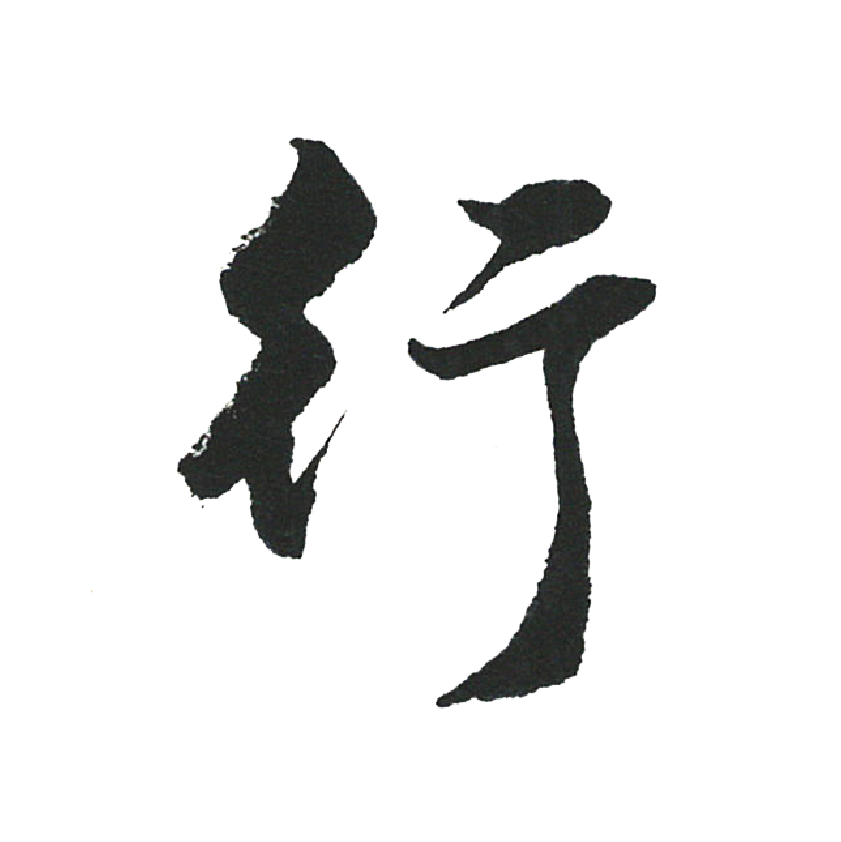
Running Script
Running script is traditionally attributed to Liu Desheng of the Eastern Han dynasty. Later, during the Jin dynasty, Wang Xizhi's "Preface to the Orchid Pavilion" became known as "The Greatest Running Script Under Heaven." Through the dynasties, Yan Zhenqing emerged in the late Tang as another great calligrapher after Wang Xizhi. His "Draft of a Requiem to My Nephew" is called "The Second Greatest Running Script Under Heaven." It has been the foundation for admiration and imitation throughout the ages — a common language for calligraphy enthusiasts.
Running script is between regular and cursive script. Its greatest feature is connected and simplified strokes while maintaining readability, achieving the practical purpose of fast writing that is easy to understand, facilitating the flow of information. Running script is both practical and highly artistic — its characters flow like clouds and water across the paper.
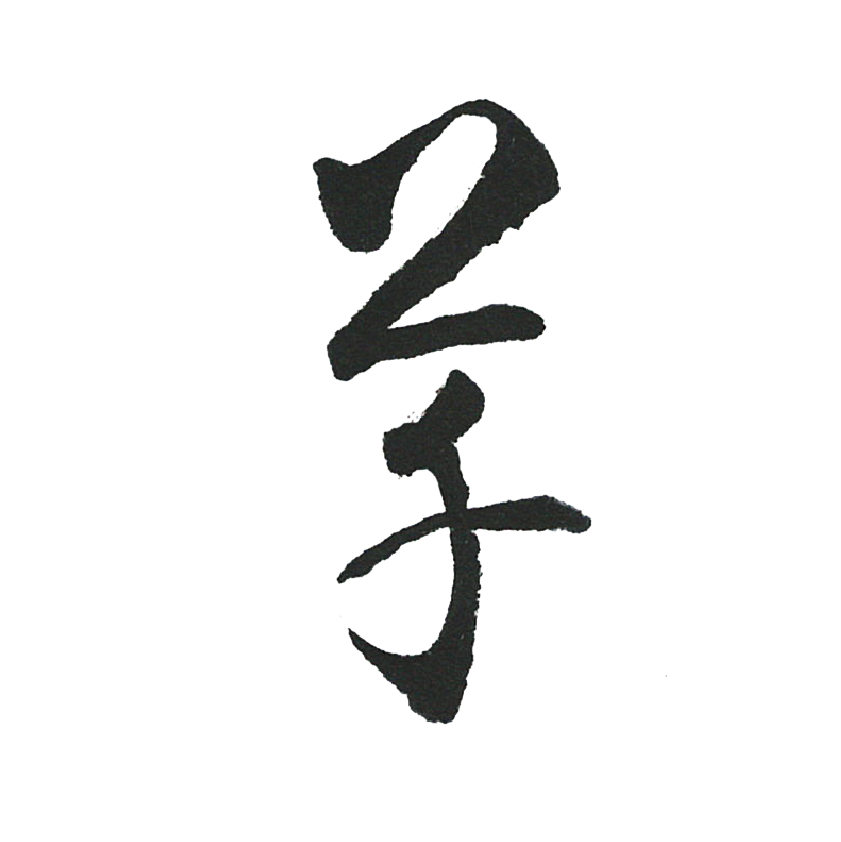
Cursive Script
Cursive script is majestic and uninhibited, expressing the calligrapher's emotions. It appeared during the Eastern Han dynasty, traditionally attributed to "Sage of Cursive" Zhang Zhi, later promoted by Wang Xizhi and his son during the Eastern Jin. It flourished again during the Tang dynasty with more styles emerging. Other notable cursive calligraphers include Huaisu and Zhang Xu.
Cursive script has three types: Zhangcao (classical cursive), Jincacao (modern cursive), and Kuangcao (wild cursive). Classical cursive keeps characters independent; modern cursive features connected strokes with alternating strength and softness; wild cursive is the most unrestrained, with dramatic character transformations and flowing, exuberant strokes.
Cursive script commands with its momentum, wild and free, allowing viewers to feel the calligrapher's psychological state while writing. Although less practical today, from an artistic appreciation perspective, one can see that the calligrapher must first master technique and principles before creating freely, achieving balanced composition and order within apparent chaos.